

Blue Ash Lawn Renovation Services
Choose our expert lawn renovation services for a lush, healthy yard that enhances your home's beauty and value—our experienced team delivers reliable results tailored to your unique needs.
Get a Free QuoteOur Blue Ash Landscaping & Yard Care Services
When to Schedule Lawn Renovation in Blue Ash, Ohio – Seasonal Guide
In Blue Ash, Ohio, timing your lawn renovation is crucial for achieving a lush, resilient yard that thrives year-round. The best periods for renovation are typically early fall and late spring, when soil temperatures are optimal for seed germination and root development. Blue Ash’s climate, with its humid summers and cold winters, means that late August through September is often ideal—after the peak summer heat but before the first frost. Neighborhoods near Summit Park or along Kenwood Road may experience microclimates due to varying shade coverage and soil types, so it’s important to assess your specific property conditions.
Local environmental factors such as average frost dates, the risk of summer drought, and the prevalence of clay-heavy soils all play a role in determining the right renovation window. For example, areas with dense tree canopies, like those near Blue Ash Nature Park, may require special attention to shade and moisture retention. Additionally, be aware of any municipal guidelines or seasonal restrictions by checking resources like the City of Sudbury’s website for updates on local landscaping ordinances.
Local Factors to Consider for Lawn Renovation in Blue Ash
- Tree density and shade coverage, especially in established neighborhoods
- Soil composition (clay, loam, or sandy soils)
- Terrain and drainage patterns
- Average precipitation and drought risk
- Frost dates and seasonal temperature swings
- Municipal restrictions or guidelines on lawn care and renovation
Benefits of Lawn Renovation in Blue Ash

Enhanced Curb Appeal
Improved Lawn Health
Increased Property Value
Customized Landscaping Solutions
Expert Local Knowledge
Efficient Project Completion
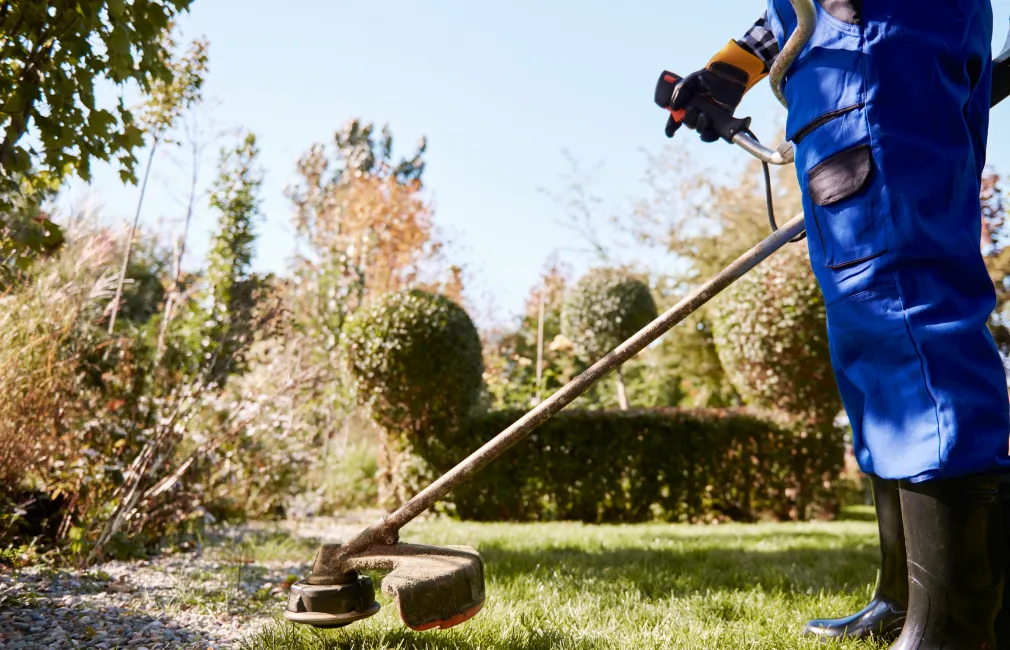
Blue Ash Lawn Renovation Types

Sod Installation
-
Overseeding
-
Aeration and Dethatching
-
Soil Amendment
-
Weed and Pest Control
-
Grading and Drainage Solutions
-
Native Grass Conversion
Our Lawn Renovation Process
Site Evaluation
Soil Preparation
Seeding or Sod Installation
Watering and Fertilization
Ongoing Maintenance
Why Choose Blue Ash Landscape Services

-
Blue Ash Homeowners Trust Us
-
Expert Lawn Maintenance
-
Reliable Seasonal Cleanup
-
Competitive Pricing
-
Professional Team
-
Satisfaction Guarantee
-
Personalized Service
Blue Ash’s Predominant Soil Series and Site Preparation for Lawn Renovation
Lawn renovation in Blue Ash requires careful consideration of the city’s dominant soil types, which include Miami silt loam and Rossmoyne silt loam, as identified by the USDA Web Soil Survey. These soils are moderately well-drained but can exhibit compaction and a pH range of 6.0-6.8, impacting turf establishment. Core aeration to a depth of 2-3 inches is recommended to alleviate compaction, especially in areas with heavy foot traffic or construction fill. Soil testing through OSU Extension is advised, with typical costs ranging from $15-25 per sample. Amendments such as 2-3 inches of compost tilled to a 6-inch depth can improve organic matter and drainage. For properties near drainageways or wetlands, maintain a 25-foot buffer zone free of soil disturbance.
City of Blue Ash Public Works Department
4343 Cooper Road, Blue Ash, OH 45242
Phone: (513) 745-8538
Official Website: City of Blue Ash Public Works Department
provides guidance on site preparation and debris management.
- Core aeration: 2-3 inches depth, multiple passes for compacted areas
- Compost incorporation: 2-3 inches, tilled to 6-inch depth
- Soil pH adjustment: Lime for pH below 6.0, sulfur for pH above 7.5
- Soil testing: $15-25 per sample via OSU Extension
Seasonal Timing and Weather Considerations for Lawn Renovation in Blue Ash
Blue Ash is located in USDA Hardiness Zone 6a, with optimal lawn renovation windows in spring (April 15 - May 30) and late summer to early fall (August 20 - September 30). Soil temperatures should be between 50-65°F for seeding cool-season grasses such as Kentucky bluegrass (Poa pratensis) and perennial ryegrass (Lolium perenne). Avoid renovation during June-August due to heat stress and increased weed competition. The National Weather Service Wilmington Office provides local forecasts to help schedule renovation activities around rainfall and temperature trends. For best results:
- Spring seeding: April 15 - May 30
- Fall seeding: August 20 - September 30
- Fertilization: Early May and September
- Avoid: June-August (heat stress period)
- Monitor soil temperature: 50-65°F for germination
Municipal Ordinances and Equipment Operation Standards for Blue Ash Lawn Projects
Lawn renovation activities in Blue Ash must comply with city noise ordinances and equipment operation standards. According to municipal code, powered equipment may be operated:
- Monday-Friday: 7:00 AM - 7:00 PM
- Saturday: 8:00 AM - 6:00 PM
- Sunday and holidays: Prohibited All commercial operators are required to maintain equipment mufflers and limit noise to 85 decibels at property lines. Debris generated during renovation, such as sod, soil, and plant material, must be disposed of through the city’s weekly yard waste collection (Thursdays, April-November). Use biodegradable bags or 32-gallon containers; plastic bags and branches over 4 inches in diameter are prohibited.
City of Blue Ash Community Development Department
4343 Cooper Road, Blue Ash, OH 45242
Phone: (513) 745-8520
Official Website: City of Blue Ash Community Development Department
provides information on local ordinances and permit requirements.
Environmental Compliance: Stormwater, Buffer Zones, and State Regulations in Blue Ash
Lawn renovation in Blue Ash must adhere to environmental regulations under the Ohio Environmental Protection Act and the city’s MS4 stormwater permit, which prohibits the discharge of soil, grass clippings, or chemicals into storm drains. Maintain a 25-foot no-disturbance buffer from wetlands and water bodies, and avoid fertilizer application within 50 feet of streams or ponds. The Clean Water Act and Ohio EPA require that all renovation debris be managed to prevent runoff and water pollution. For additional guidance, consult:
Hamilton County Environmental Services
250 William Howard Taft Road, Cincinnati, OH 45219
Phone: (513) 946-7777
Official Website: Hamilton County Environmental Services
- Maintain 25-foot buffer from wetlands
- No fertilizer within 50 feet of water bodies
- Prohibit clippings in storm drains (MS4 compliance)
- Dispose of debris via city-approved collection
What Neighborhoods Do We Serve Throughout Blue Ash, OH?
- Summit Park District: Features newer developments with compacted fill soils and moderate drainage, requiring thorough aeration and organic amendments for successful lawn renovation.
- Kenwood Meadows: Characterized by mature landscaping and established trees, this area often faces shade challenges and root competition, necessitating shade-tolerant grass varieties and careful soil preparation.
- Hazelwood: Contains older homes with variable lot sizes and occasional slope, leading to runoff concerns and the need for erosion control measures during renovation.
- Blue Ash Estates: Large lots with heavy clay subsoils and periodic wetness; soil testing and drainage improvements are critical for turf establishment.
- Pine Hill: Proximity to natural areas and wetlands requires strict adherence to buffer regulations and careful management of renovation debris to protect sensitive habitats.
- Fox Hollow: Dense residential development with limited equipment access and potential for soil compaction, making multiple aeration passes and containerized debris removal essential.
- Deerfield Road Corridor: Commercial and mixed-use properties with high foot traffic and urban fill soils, demanding frequent soil amendment and compliance with city noise and operation ordinances.